
Hasli Jewellery Styling Guide: From Casual Chic to Bridal Glam with Amama
Why the Hasli Necklace Deserves a Spot in Your Jewellery Box
The timeless Hasli necklace in India has always been more than an ornament—it is a statement of heritage, elegance, and individuality. From traditional Rajasthani queens to modern-day brides, the Hasli has held its charm across centuries. What makes it so special is its versatile design. It is a piece that transitions seamlessly from casual chic to bridal glam, from everyday office wear to festive grandeur.
At Amama, our curated Hasli Collection celebrates this iconic jewellery in its many forms: minimalistic, regal, handcrafted, and trend-forward. This Amama Hasli Jewellery Styling Guide for Brides and modern women will take you through everything you need to know: how to style it daily, the best pairings with sarees and lehengas, and how to embrace its traditional Rajasthani heritage.

The Legacy of the Hasli Necklace in India
Before we dive into styling, let’s understand its roots.
-
The Hasli necklace in India originated in Rajasthan and Madhya Pradesh.
-
The name “Hasli” comes from the Hindi word “Hansuli,” meaning collar-shaped ornament.
-
Traditionally, it was made in gold or silver, worn close to the neck, and believed to symbolize strength and prosperity.
-
It is one of the most identifiable pieces of traditional Rajasthani Hasli necklace styling with saree.
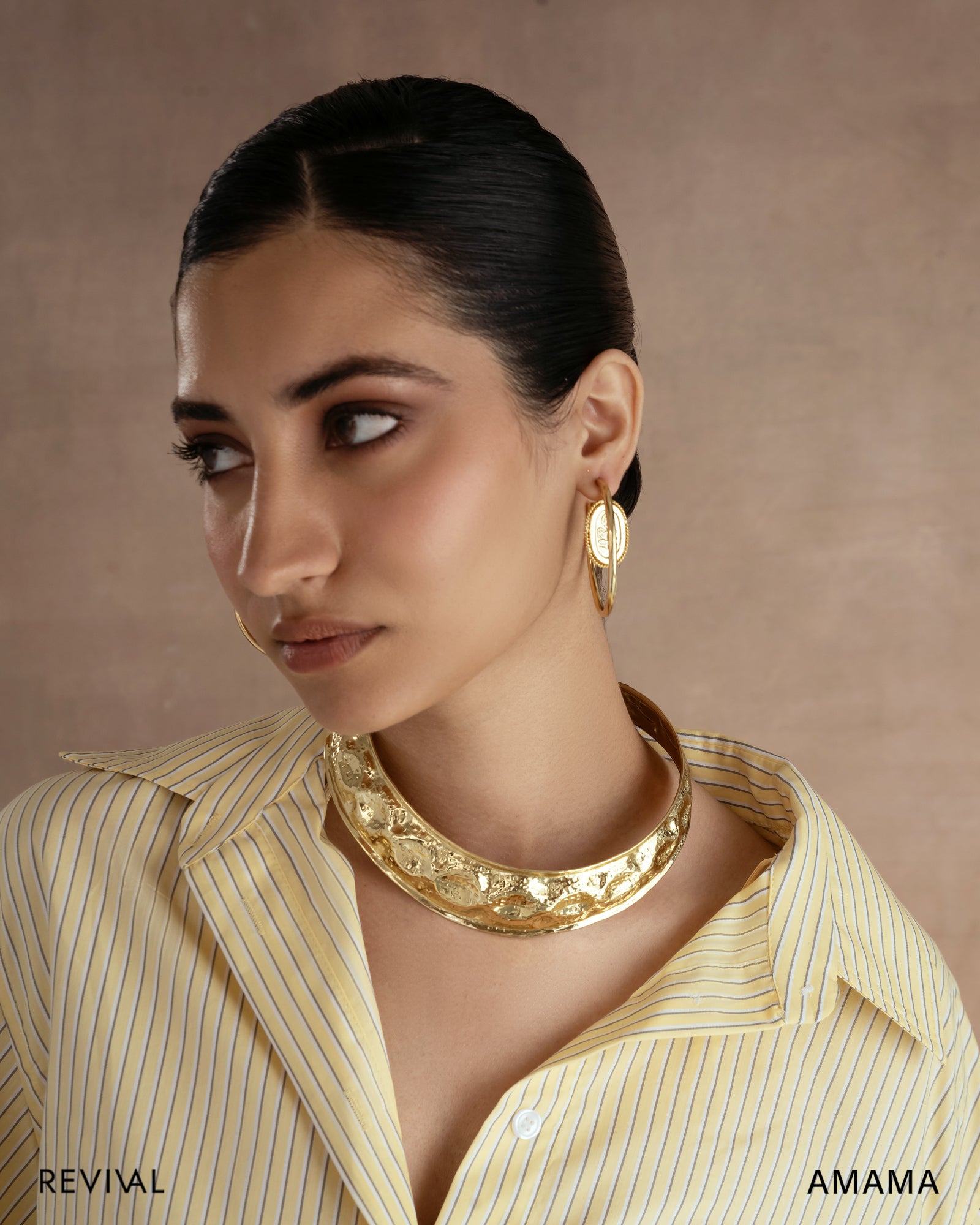
Amama reimagines this legacy with contemporary craftsmanship, offering modern women a chance to wear a piece of history in a way that feels fresh, chic, and versatile.
Everyday Wear: How to Style Hasli Necklace for Office and Casual Looks
For modern women, jewellery should not just sit in a locker. It should be wearable, effortless, and empowering.
How to Style Hasli Necklace for Everyday Wear
-
Minimal Layering: Pair a sleek Hasli with a plain white shirt or turtleneck. It adds structure without overwhelming your outfit.
-
Monochrome Outfits: Match a silver Hasli with pastel kurtas for a refined ethnic-office vibe.
-
Casual Chic: Combine it with a crop top and jeans for a subtle Indo-western aesthetic.
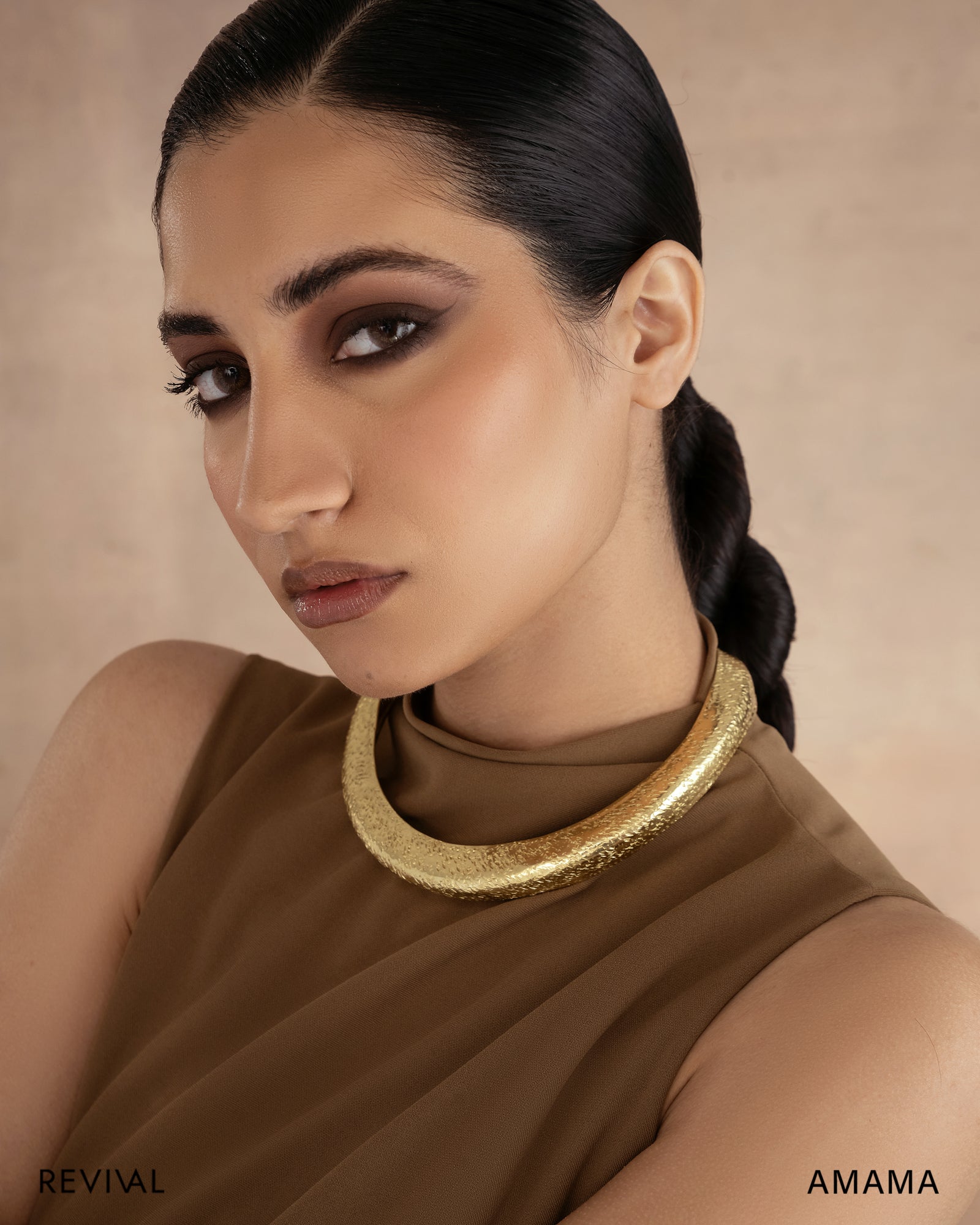
Amama’s lightweight Everyday Hasli Collection offers pieces that are anti-tarnish, hypoallergenic, and perfect for daily wear.
Saree Elegance: Best Hasli Necklace for Saree Blouse Necklines
Sarees are incomplete without the right jewellery. The Hasli works beautifully with almost every blouse neckline.
-
Deep Neck Blouse: A bold, chunky Hasli enhances the neckline without needing additional layers.
-
Boat Neck Blouse: Try a sleek, gold-toned Hasli for understated sophistication.
-
Traditional Silk Saree: The best Hasli necklace for saree blouse necklines is one with intricate engravings or mirror work.
Browse Amama’s Hasli Collection to find statement pieces crafted for saree pairings.
Bridal Hasli Necklace Styling with Lehenga
For brides, the Hasli isn’t just jewellery—it’s tradition redefined.
-
Royal Bridal Vibes: Pair a heavy, layered Hasli with your bridal lehenga for an opulent look.
-
Contrast Play: Wear a silver Hasli over a red lehenga to create contrast.
-
Minimal Modern Bride: A single handcrafted Hasli can replace multiple layers of jewellery for a sleek, powerful bridal aesthetic.
The Bridal Hasli Necklace Styling with Lehenga trend is gaining popularity as brides choose comfort with grandeur. Amama’s handcrafted Bridal Hasli Collection features statement designs inspired by Indian heritage but designed for modern brides.
Traditional Rajasthani Hasli Necklace Styling with Saree
If you want to embrace the roots of this jewellery piece, look no further than Rajasthani traditions.
-
Kundan and Polki Work: Traditional Rajasthani Haslis often feature intricate work that pairs perfectly with Bandhani or Leheriya sarees.
-
Mirror Embellishments: Perfect for festive occasions like Teej and Karva Chauth.
-
Multiple Hasli Layers: True to Rajasthani styling, brides and women wore stacked Haslis to symbolize wealth and elegance.
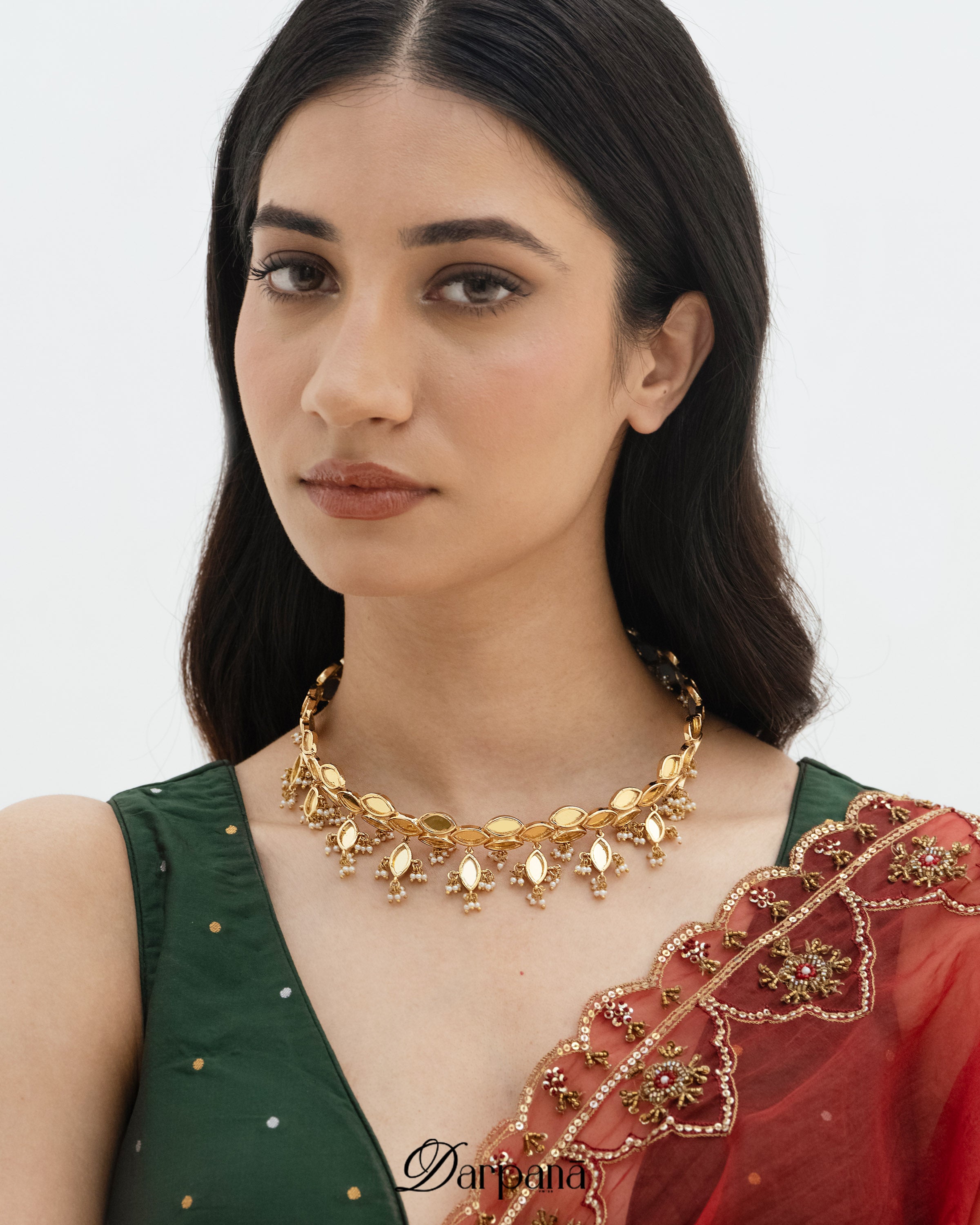
Amama’s Rajasthani-inspired designs in the Hasli Collection revive these traditions with a contemporary twist.
Amama Hasli Jewellery Styling Guide for Brides
For brides looking to stand out while staying rooted in heritage, Amama offers exclusive styling ideas:
-
Layer with Matha Patti: Combine a bold Hasli with Amama’s bridal matha patti for a goddess-like aura.
-
Pair with Earrings: Statement chandbalis or jhumkas balance the structure of the Hasli.
-
Add a Waist Belt: If you are wearing a lehenga, pair the Hasli with a kamarbandh for a regal bridal finish.
Amama’s Hasli Collection ensures that every bride finds a design that feels timeless yet fashion-forward.
Why Choose Amama for Hasli Jewellery
-
Handcrafted Excellence: Every piece is designed with precision.
-
Lightweight & Comfortable: Perfect for long wear.
-
Heritage Meets Modernity: Designs inspired by tradition yet made for modern styling.
-
Trusted Brand: Amama is a leading destination for artificial and handcrafted jewellery in India.
FAQs on Hasli Necklace in India
Q1: What is the cultural significance of the Hasli necklace in India?
A1. The Hasli symbolizes wealth, prosperity, and elegance. It has deep roots in Rajasthani and Madhya Pradesh traditions.
Q2: How to style Hasli necklace for everyday wear?
A2. Opt for minimalistic Amama Haslis paired with kurtas, blouses, or casual tops. They instantly elevate simple outfits.
Q3: Which is the best Hasli necklace for saree blouse necklines?
A3. Chunky, handcrafted designs work best for deep-neck blouses, while sleek metallic Haslis suit boat necks and silks.
Q4: How can brides wear a Hasli with lehengas?
A4. Choose layered or bold Hasli necklaces. Pair them with earrings and a matha patti for a bridal glam finish.
Q5: Does Amama offer traditional Rajasthani Hasli styles?
A5. Yes, Amama’s Hasli Collection includes traditional-inspired pieces with mirror work, Kundan, and handcrafted finishes.
The Modern Revival of the Hasli Necklace in India
The Hasli is no longer just a relic of the past. With Amama, it has been reimagined for today’s woman—be it for everyday office wear, wedding lehengas, or traditional sarees.
If you’re searching for the perfect blend of heritage and style, explore Amama’s Hasli Collection and find your statement piece today.